

Xuzhou Han Culture Academic
Submit
【XU BO】Maximum daily capacity: 10,000 person-times Instantaneous capacity: 2,500 person-times
The ancient cultural features of the pre-Qin period in Northern Jiangsu have become an important topic in Jiangsu archaeology. It is necessary to carry out large-scale archaeological investigation. There are two reasons.
Firstly, shunshanji culture has been recognized by academic circles after the excavation of Shunshanji site in Sihong, which will certainly promote the exploration of ancient culture in Huaihe River Basin and Huanghuai River Basin. Yishusi belongs to the Huaihe River Basin, which lies in the middle of Haidai district cultural sequence and Huaihe River Basin cultural sequence in the lower Yellow River.
Secondly, in the past ten years of the 21st century, salt archaeology has made great progress and solved very important academic issues. Especially in the Yin Ruins period of the Shang Dynasty, the only thing that the Shang Dynasty had to do was to strengthen the control of the East and obtain the salt industry resources.
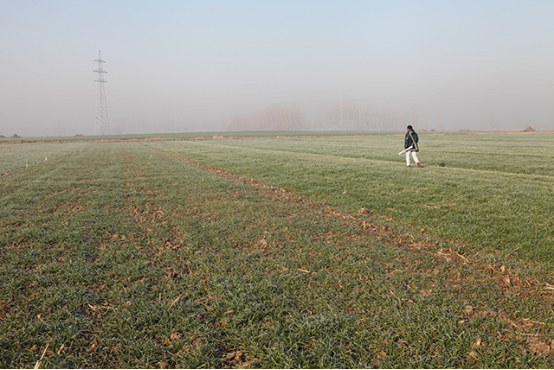
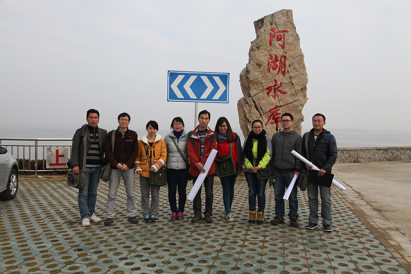
Since 2013, the cooperation between Nanjing Museum and the National Museum has begun to carry out a regional systematic investigation in Sihong area. In this case, the conditions for our archaeological investigation in Xuzhou area have been mature. Therefore, since 2014, the archaeology Department has successively carried out the systematic archaeological survey in this region. Firstly, it started in the eastern part of Xinyi at the lower reaches of Shuhe river. In 2014, it completed the survey of Ahu Town, Shuangtang town and a part of Gaoliu town. 51 cultural relic sites were found in the survey. It is far more than Sanpu cultural relics. Now we will introduce the cultural relics found as follows.
1、 Remains of Ahu town (25 in total)
1. Qiangou tombs are located in the farmland in the southeast of Qiangou village and on both sides of Lianhuo expressway. The Gumu river flows from northwest to southeast on the north side of the tombs. There are 6 tombs in the shape of mounds, numbered d1-d6, among which D6 is located in the south side of Lianhuo Expressway and the rest are located in the north side. The sealing soil of d1-d5 on the north side of the expressway is in gentle slope shape, which has been reduced by cultivation activities over the years. The surface of mound center uplift is about 0.5-1m, the original height is unknown, the overall preservation condition is good, and the surface is mostly covered with brick debris. The D6 sealing soil in the south side is well preserved, the mound center is about 4 meters higher than the surrounding surface, and there is no relic on the surface. According to the introduction of the villagers of Han in Qiangou village, D4 was partially destroyed when the cement road was built on the west side of the tomb group. The strip stones and other objects were once unearthed. Combined with the green brick residues seen on the ground, it is speculated that the tomb group is a mixed structure of bricks and stones, and the age should be Han Dynasty.
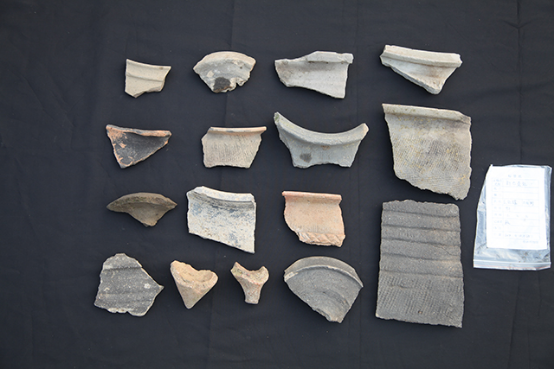
2. Tiaohe site is located in the northwest of Tiaohe village, adjacent to the ancient Muhe River in the south and now is a forest. The East of it is a village with flat terrain and poor preservation. Part of it is damaged by the construction of the village, covering an area of about 500 square meters, and the cultural layer is about 0.25 meters deep and 0.3 meters thick. On the surface of the earth, there are fragments of sand, muddy grey pottery, pots and other utensils. According to the relics, it is speculated that the age is from the Han Dynasty to the southern and Northern Dynasties.
3. Hongdun site It is located in the north of Xihuangmucheng village, about 200m away from the West Main Canal in the East and 500m away from Xihuangmucheng in the south. The site is now a farmland, well preserved, slow slope like platform, with the center uplifted, about 1-1.5m higher than the surrounding farmland, with an area of about 6000 square meters, a cultural layer depth of about 0.3m, and a thickness of about 0.7m. Sand, charcoal, muddy grey pottery, red pottery chips, a small amount of green brick debris and burning soil particles are scattered on the surface. It can be seen that pots, bowls, basins, beans and other utensils. According to the type of utensils, it can be inferred that they were in the Spring and Autumn period and the Warring States period.
4. Chenxu site is located about 200m to the west of Chenwei village, adjacent to the Gumu reservoir in the north and the Gumu River in the south. It is now farmland and poorly preserved. The surface of the site is high in the north and south, and low in the middle. According to the villagers, it was once taken, covering an area of about 1000m2, with a cultural depth of about 20cm and a thickness of about 0.3m. The surface of the earth is mostly covered with clay, sand mixed grey pottery fragments, a small amount of red pottery fragments and blue brick fragments as well as the mouth of the pot, the bottom of the pot, plain tiles, celadon fragments, etc. according to the relics, it is speculated that the age of the site is from Han Dynasty to the southern and Northern Dynasties.
5. Hougou tombs are located 50 meters northeast of Hougou village, with ditch in the East and threshing ground in the West. The terrain is flat, and now it is farmland. There are many bricks on the surface and a few human bones, but they are poorly preserved. The age is about Ming Dynasty.
6. The Hougumu tombs are located about 200m northeast of the Hougumu village. The terrain is flat, and now it is farmland, planting wheat. There are many blue bricks in the field ditch. The main body of the tombs is well preserved, and some of them are damaged by the villagers. According to the relics, the age is supposed to be from Song Dynasty to Ming Dynasty.
7. Beigu Village Site: Located in the northeast corner of the ancient village, it is flat and is now used as farmland. It covers an area of about 100,000m2, with a deep grey cultural layer which is about 0.2m deep and about 0.5m thick. On the earth surface, argillaceous grey pottery pieces and black brick fragments can be found poorly preserved. Due to the villagers' digging quartz stones, these relics are severely damaged. As is speculated, the relics date from the Wei and Jin Dynasties to Six Dynasties.
8. Shuanggou Village Site: The historical site is located 200m to the southwest of Shuanggou Village. It has farm track (south-north) on the east, and cement road (east-west) on the south. The main body is slightly raised, with the center about 0.3-0.5m higher than the periphery. It covers an area of about 6,000 meters square. The cultural layer is about 0.3m deep, and about 0.6m thick. On the earth surface, pottery shards can be found, including jar edges, jomon pottery shards with sand inclusion, and plate tile relics. The site is well persevered. According to the cultural relics, the site dates from the Western Zhou Dynasty to the Han Dynasty.10. Tomb Groups to the Southeast of Tiaohe Village: At 400 meters to the southeast of Tiaohe Village, 2 mounds were discovered, with the center about 0.5-1.2m above the earth surface. At present, wheats are planted here, and many black brick relics are seen on the earth surface. The site dates back to the Han Dynasty and has been well preserved.
11. Mound to the South of Tiaohe Village: A mound was discovered to the south of Tiaohe Village, the north of Gumu River, and the east of Gumuhe Bridge. The center is about 0.5-1m above the earth surface, and the diameter is about 80m. Currently, it is used as farmland with wheats planted. On the west side of the farmland, black brick relics are discovered, including bottoms of Han Canteens and rims of wide-rim basins.
12. Leizhuang Historic Site: The site is located in the southeast of Leizhuang Village and has Donggan Canal in the east. The earth surface is flat, and is currently used as farmland. The remains are mostly found on the farmland in the southern part of Xiaoleizhuang, and cover about 20,000-30,000 square meters. A large part of the site is exploited for quartz stones, so the strata are severely damaged. Grey pottery relics and a small amount of red pottery relics are scattered on the earth surface, and rims of grey pottery pots with rope figures can be found. The remains date back to the Han Dynasty.
13. Mingjiu Historic Site: The site is located to the south of nursery on the southeastern corner of Mingjiu Village, and the flat area is currently paddy field of about 20,000-30,000 square meters. The cultural layer is about 0.3m deep and about 0.8m thick. On the earth surface and fracture surfaces of farmland ditches, celadon and porcelain relics and grey pottery relics with rope figures are commonly found, and bowl bottoms with holes in centers, celadon bowl bottoms, porcelain jar rims, internal relics of Han Canteens, grey pottery urn rims, black bricks, burrs, etc. can be found. The site dates back to the Tang and Song Dynasties, and has been well preserved.
14. Mingjiu Tomb Group: The tomb group is located in the farmland about 200m to the southeast of Mingjiu Village, and has path field on the west. It is slightly a pier-shaped terrace, with the surface 0.3-0.5m above the earth, and an area of about 10,000-20,000 square meters. The northwestern part of the terrace is damaged due to borrowing earth. Black bricks can be seen clearly on the fracture surface, and figures of rhombus, sun and nails can be found on the bricks. The tomb group dates back to the Han Dynasty, and its main body has been well preserved.
15. Dabaima Collection Point: The site is located at about 500m to the west of Dabaima Village, with a ditch on the east, greenhouses to the north, and a river 100m on the west. It is flat and is now used as farmland with wheats planted. The cultural layer is not clear. Rims of grey pottery rolled-edge pots, bottoms of grey pottery jars, and relics of Jomon plate tiles can be found on the earth surface. The site is well preserved.
16. Xiaobaima Historic Site: The site is located on the southwest corner of Xiaobaima Village, and is flat. It used to be a woodland, but has been poorly maintained because the villagers dug the tree roots. It covers an area of about 1,000 square meters, and the cultural layer is not clear. On the earth surface, grey pottery relics and scattered red pottery relics are commonly found, and celadon handles, bottoms of grey pottery pots, bottoms of black porcelain bowls, rims of grey pottery rolled-edge basins, etc. are also found. The cultural relics date from the Ming and Qing Dynasties.
17. Xiaobaima Collection Point: The site is located at about 300m to the northwest of Xiaobaima Village, and is now used as farmland. It is flat, with cultural relics scattered, but the area is not known. A small amount of grey pottery relics are found on the earth surface, but the types are not known. The site is well preserved.
18. Shuangchi Collection Point: The site is located in the east farmland of Shuangchi Village Committee, and has a small temple in the north. It is flat and is currently used as cornfield. It covers an area of about 3,000 square meters and the cultural layer is not clear. Red pottery, grey pottery and celadon relics are scattered on the earth surface, and rope figures can be found on the relics. Due to the villagers' exploiting and digging activities, the site is poorly preserved. The site dates back to the Wei and Jin Dynasties.
19. Liu Dun's Tomb Furniture: The tomb is located to the south of Time Supermarket of Mingjiu Village. Part of the grave mound was removed, and now it is a low-level terrace. No cultural relics have been found. It should be a grave, and the age is not known.
20. Xinzhuang Cemetery: It is located at about 500m to the northwest of Xinzhuang Village, and has ditches, canals and roads to its east. It is a pier type terrace and is currently used as farmland. Brick remains and ashlars can be found on the earth surface. The cemetery dates from the Eastern Han Dynasty, and has been poorly preserved.
21. Xiaoyaotou Collection Point: The site is in the south of Xiaoyaotou Village, and is flat. It is currently used as farmland with wheats planted. The villagers say houses were built here before. On the earth surface, black brick relics, red pottery relics and grey pottery relics can be found. The types include pot bottoms, rims of rolled-edge pots, and remains of red pottery Jomon plate tiles. The sizes of black bricks which were found are 4-14-27.8 and 5-15-29.5cm. The cultural relics should date from the Han to Song Dynasties, but have been poorly preserved.
22. Gucun Tombs: They are located on the northwest ridge of Gucun, about 500m from Xigan Canal in the east and about 500m from Peach Ridge in the northeast. There are 3 mounds with high terrain and the center 0.3-0.5m above the earth surface. There are hardly any relics on the earth, but the villagers said tomb robbing happened here. Unearthed are relics like coffin plates and bronze mirrors. The tombs are poorly preserved because the villagers exploit quartz stones. They should date from the Han to the Ming and Qing Dynasties.
22. Peach Ridge (Xiaochen Village) Collection Point: The site is located in the southwest corner of Peach Ridge- Xiaochen Village, about 100m to the east of Xiaochen Village, having a modern ditch on the south and woods on the east. It is flat, and is currently used as farmland with wheats planted. On the earth surface, black brick relics, red pottery relics and grey pottery relics are scattered, and remains like rims of red pottery rolled-edge pots can be found. The site should date back to the Han Dynasty, and has been ordinarily preserved.
23. Zhuowei Tombs: They are located to the southeast of Zhuowei Village, Ehu Town, about 200m to the south of Gumu River. Modern cemetery mounds are commonly seen nearby. The terrain is rolling, 0.3-0.5m higher than surroundings. Seven mounds are found, and black bricks with diamond-shaped patterns and reddish-brown bricks can be seen on the earth surface. The tombs are well preserved and were regarded as a landmark in the Han Dynasty.
II. Remains of Shuangtang Town (22 sites in total)
1. Luandun Tombs: The site is located at about 400m to the northeast of Pugou Village (within the jurisdiction of Diaotai Administrative Village), about 200m from Provincial Road 323 in the south, about 800m to the north of Zhangzhaizi, 100m to the west of cement road (south-north direction), with a fish pond in the middle, and woods on the southwest. Modern cemetery mounds are commonly seen nearby. Twenty-six mounds are found in total, covering a large area, about 0.3-1.5m higher than surroundings. Black bricks, ashlars and a small amount of grey pottery pieces are scattered on the earth surface, part of which are poorly preserved. Villagers who undertake the fish pond by contract said that in 2000, earth was borrowed here for the construction of Beijing-Shanghai High-Speed Railway before a fish pond was formed. According to the cultural relics, the tombs should date back to the Han Dynasty.
2. Pugou Historic Site: The site is located between Provincial Road 323 in the southeast and Lianyungang-Horgos High-Speed Railway. It is currently flat woodland and threshing ground. On the earth surface, red pottery and grey pottery relics can be found. The villagers nearby said that copper gaes and copper earthen pots were unearthed here. But the site is poorly preserved and will disappear.
3. Xidiaotai Historic Site: The site is located at about 350m to the north of Xidiaotai Village, and is 1-1.5m higher than the surroundings. It covers an area of about 6,000 square meters, and is well preserved. On the earth surface, pottery shards are scattered, and pottery Dous (pots used for holding food) and pots can be found. According to the cultural relics, the site dates from the Western Zhou Dynasty to the Warring States Period.
4. Dongdiaotai Historic Site: The site is located at about 50m to the northwest of Dongdiaotai Village. It is a pier type terrace, about 2-3m higher than the surroundings. The top is plain, used for growing cypresses. Many modern cemetery mounds are distributed, and the south side is damaged due to borrowing earth. On the earth surface, remains of clay potteries, sonim grey potteries and red potteries, remains of Jomon round tiles and plate tiles, rims of wide-brimmed pots, bowl rims, Dou pots, and Ge bottoms can be found. Rope figures are commonly seen on the relics. According to the cultural relics, the site should date from the Western Zhou Dynasty to the Han Dynasty.
5. Jiulidun Mound: The site is located on the northwestern corner of Dongjiudun Village. It is a pier type terrace, with the center about 1.5m above the earth surface, and the diameter about 100m. It is currently used as farmland with wheats planted. The site is well preserved, with no cultural relics found on the earth surface. According to the current discoveries of Xinyi, this type of relics should be tomb furniture.
6. East Jiulidun Collection Point: The site is located in the southwestern corner of East Jiulidun Village, and to the south of Jiulidun Water Source Well of Shuangtang Water Plant. The terrain is flat, and is currently used as farmland with wheats planted. On the earth surface scatter black brick relics, rims of celadon calyxes, rims of rolled-edge pots, remains of porcelain bowls with brown color in white background, bottoms of clay grey pottery pots, and remains of red potteries and grey potteries. According to the cultural relics, the site dates from the Tang to the Song Dynasties.
7. West Jiulidun Collection Point: The site is about 400m to the west of West Jiulidun, about 100m to the north of Lianyungang-Horgos High-Speed Railway. The terrain is flat, currently used as paddy field, and is well preserved. Scattered are celadon spouts, handles, internal relics of Han Canteens, rims of rolled-edge pots, remains of celadon bowl bottoms, grey potteries and black brick relics. However, the cultural layer here is not clear. The site dates from the Song to the Ming Dynasties.
8. Houmachang Mound: The site is located at about 500m to the northwest of Houmachang. It has Juli Chemical Plant about 500m to the northwest, a large pond in the east, and a ditch in the south. The main body is pier type, about 2-5m above the earth surface. The eastern and northern parts are damaged due to earth borrowing, and modern cemetery mounds spread over the mound. It is ordinarily preserved. Black brick relics scatter nearby. Presumably, the site dates back to the Han Dynasty. Its geographical coordinates are 118.2856°E, 34.2123°N.
9. East Yezhuang Collection Point: The site is located at about 400m to the east of Yezhuang Village, to the west of the joint of Beijing-Shanghai High-Speed Railway and Lianyungang-Horgos High-Speed Railway. It is flat, and currently used as farmland. On the earth surface, a small amount of remains of clay grey potteries are found, and bottoms of grey potteries, black brick relics and iron nails can be found. According to the remains, the site dates back to the Han Dynasty. Its geographical coordinates are 118.2848°E, 34.2105°N.
10. Juli Chemical Plant Collection Point: The site is located at about 1,000m to the south of Gaotang Village, in the southwestern corner of Juli Chemical Plant, and has high-speed railway about 100m to the south. It is flat, and is currently used as farmland. The site is well preserved. On the earth surface scatter celadon handles, black brick relics, and remains of clay grey potteries. Rims of rolled-edge pots can be found. According to the cultural relics, the site dates from the Song to the Qing Dynasties.
11. Beidayuan Historic Site: The site is located on the north of Luzhuang Village, and has a ditch on its west. It is slightly rugged, and is now used as farmland, with wheats planted. The site is well preserved. The cultural layer is 0.2m deep, and about 1.5-2m thick. On the earth surface scatter bottoms of blue and white porcelain bowls, bottoms of clay grey pottery pots, bottoms of clay red pottery pots, rims of grey pottery rolled-edge pots, Jomon grey pottery pieces, etc. According to the cultural relics, this site dates back to the Ming and Qing Dynasties.
12. Southeast Shagou Collection Point: The site is located in the southeast of Shagou Village, and on the southwest of the livestock farm. It is currently tree nursery and flat. The site is well preserved, and has a cultural layer about 0.2m deep, and about 0.5-0.6m thick. On the earth surface scatter grey pottery relics, bottoms of celadon bowls, bottoms of pie bowls, rims of grey pottery rolled-edge pots, black brick relics, bottoms of grey pottery pots, etc. On the cultural relics, rope figures and grid figures can be seen. According to the cultural relics, the site dates from the Han to the Song Dynasties.
13. Gaotang Tombs: The site is located in the farmland about 500m to the northwest of Gaotang Middle School, and about 50m to the east of Gaotang Village. It is flat, and is expected to have greenhouses set up. There are ditches in the earth, and on the fracture surface are traces of pit tombs and brick-chambered tombs. On the earth surface scatter a small amount of black brick remains and grey pottery pieces. Rims of grey pottery pots can be found. According to the cultural relics, the site dates back to the Han Dynasty.
14. South Dongdiaotai Collection Point: The site is located in the farmland in the southeast of Dongdiaotai Village, and has Provincial Road 323 on its south. It is flat, and is currently used as farmland with wheats planted. Grey pottery relics and black brick relics are scattered, and celadon handles, remains of sonim grey pottery tiles, and clay pottery pieces with rope figures can be seen. According to the cultural relics, the site should date back to the Ming and Qing Dynasties.
15. Qianjing Temple Base Historic Site: The site is located in the northwestern corner of Qianjing Village. It has cement road on the west and a terrace on the east with modern houses built, and the south part is destroyed due to earth borrowing. The remained height is about 2m, with a national geographical indication on it. The local people call it "Tianqi Temple", and this is the temple base. On the west, there is an ancient well, whose wellbay was rebuilt in 1980s. On the terrace and nearby, building elements, black bricks and tiles are commonly seen, and porcelain bowl bottoms, eave remains, bottoms of clay grey pottery pots, and rims of grey pottery basins can be found. On each of the eastern and western sides, there is a stone Guifu (a turtle-shaped base of stele), and remains of a statue of god can be seen. All of them are poorly preserved and expected to be damaged. According to the cultural relics, the site dates back to the Ming and Qing Dynasties.
16. Xiaoliu Village Mound: The site is located in the farmland about 800m in the southeast of Xiaoliu Village. It has a diversion canal in the south, and the water-gate in the southeast. The site is well preserved. It is a pier type terrace, with the center about 1.5m above the earth surface, and a diameter of about 150m. No cultural relics are found on the earth surface. The site is presumably tomb furniture and should date back to the Han Dynasty.
17. Houjing Tombs 1: The site is located in the farmland in the greenhouse area in the northwest of Houjing Village, having a ditch on its north, and houses to the east and south. It is flat and well preserved. On the fracture surface of the ditch in the greenhouse, brick-chambered tombs, black brick relics, and remains of pottery basins and pots can be seen. According to the cultural relics, the site should date back to the Han Dynasty.
18. Houjing Tombs 2: The site is located in the farmland in the greenhouse area in the northeast of Houjing Village, having a creek in the east and a road in the south. It is flat and well preserved. On the fracture surface in the ditch, traces of tomb pits can be found. The site should date back to the Han Dynasty.
19. North Hougumu Historic Site: The site is located in the farmland about 600-800m in the northwest of Hougumu Village, having the branch to the upstream of Gumu River, and Lianyungang-Lanzhou Railway 50m in the north. It is flat, with its western part brushed by the stream into a ditch, and is currently used for planting wheats. The cultural layer is about 20-30cm deep and about 0.8-1m thick. On the earth surface, remains of black bricks, plate tiles and round tiles are commonly seen, and blocks of irons and remains of red potteries and grey potteries can be found, with patterns like rope figures. According to the cultural relics, the site should date back to the Han Dynasty.
20. Mengzhuang Tombs: The site is located in the farmland about 250m to the east of Mengzhuang Village. It is pier type, with the center about 0.5m above the earth surface. It is currently used as farmland with wheats planted, and is well preserved. On the earth surface, black brick relics are commonly seen. Additionally, villagers say coins were discovered here. According to the cultural relics, the site dates back to the Han Dynasty.
21. Xuzhuang Tombs: The site is located in the farmland in the north of Xuzhuang Village, about 200m from Gaotang Reservoir in the east. It is pier type, with the center about 0.3-0.5m above the earth. It is currently used as farmland with wheats planted and is well preserved. On the earth surface, black brick remains and a small amount of pieces of plate tiles and grey potteries can be found. According to the cultural relics, the site dates back to the Han Dynasty.
22. Yuanhu Mound: The site is located in the farmland about 1,000m to the southwest of Yuanhu Village, about 400m from Beijing-Shanghai High-Speed Railway in the west, and having the farmland drain in the south. It is pier type, with the center about 0.8m above the earth surface, and is currently used as farmland with wheats planted. No cultural relics are found here. It should be the tomb furniture in the Han Dynasty.
III. Cultural Relics of Gaoliu Town
1. Laozhaizi Historic Site: The site is located at about 300m to the northwest of Sangdun Village. Villagers nearby name it "Laozhaizi". It is a pier type terrace, with its center about 2m above the earth surface, covering an area of about 10,000 square meters, and having a cultural layer about 0.8m thick. The site is well preserved. On the earth surface scatter internal relics of Han Canteens, celadon handles, bottoms of grey pottery pots, pieces of sonim vats, etc. Its geographical coordinates were 118.3250°E, 34.2151°N in the Ming and Qing Dynasties.
2. Xiazhuang Mound: The site is located in the north of Xiazhuang, Huafeng Village. It is a pier type terrace, with the center about 1m above the earth surface, and a diameter of about 100m. It is currently a woodland, with a road on the north, and is well preserved. On the earth surface, black bricks of large size can be found. Villagers say ashlars were unearthed here, which were more than two meters deep from the earth surface. According to the aforementioned black bricks, this mound can date back at most to the Han Dynasty. Its geographical coordinates are 118.3207°E, 34.2037°N.
3. Hezhuang Mound: The site is located at about 100m to the east of Hezhuang, Gouai Village, having a road on the north. It is a pier type mound, with the center about 1.5m above the earth surface, covering a large area, and having a diameter of about 200m. It is currently used as farmland, with few grey pottery relics on the earth surface. The site is well preserved, and should date back to the Han Dynasty. Its geographical coordinates are 118.3155°E, 34.1904°N.
4. Xiaxiaozhuang Mound: The site is located in the farmland about 600m to the west of Xiaxiaozhuang, Qingou Village, with a big ditch on the west. It is a pier type terrace, where three mounds can be found connected from north to south, with the center about 0.5-0.8m above the earth surface, and a diameter of about 40-50m. It is currently used as farmland, and is well preserved. On the earth surface, few black brick relics are found. It should be tomb furniture in the Han Dynasty. The geographical coordinates are respectively 118.3224°E, 34.2101°N; 118.3224°E, 34.2102°N; 118.3224°E, 34.2103°N.
5. Xiaxiaozhuang Collection Point: The site is located to the south of the medical room in northeast Xiaxiaozhuang, Qingou Village, having woodland on the east and a road on the west. It is flat and slightly rugged, and is currently used as farmland by villagers. The site is ordinarily preserved. On the earth surface, black brick relics and tiles and a small amount of pellets of burnt soil are commonly found. The bricks are in thick and thin shapes. Villagers said it used to be a kiln site, so this site should be modern. Its geographical coordinates are 118.3256°E, 34.2104°N.
6. Dianhuzhuang Mound: The site is located at about 800m to the east of Dianhuzhuang, having a large ditch in north-south direction which runs into Luoqing River. It is a pier type terrace, with its center about 0.5m above the earth surface. The site is well preserved, and is currently used as farmland with wheats planted. No cultural relics are found on the earth surface. It should be tomb furniture in the Han Dynasty. Its geographical coordinates are 118.3329°E, 34.2013°N.
+86(0516)-83804412
+86(0516)-85690228
+86(0516)-83333887
LINKS:

 蘇公網安備 32030302000327號